
November 05: Seeing the Oppressed with God’s Eyes

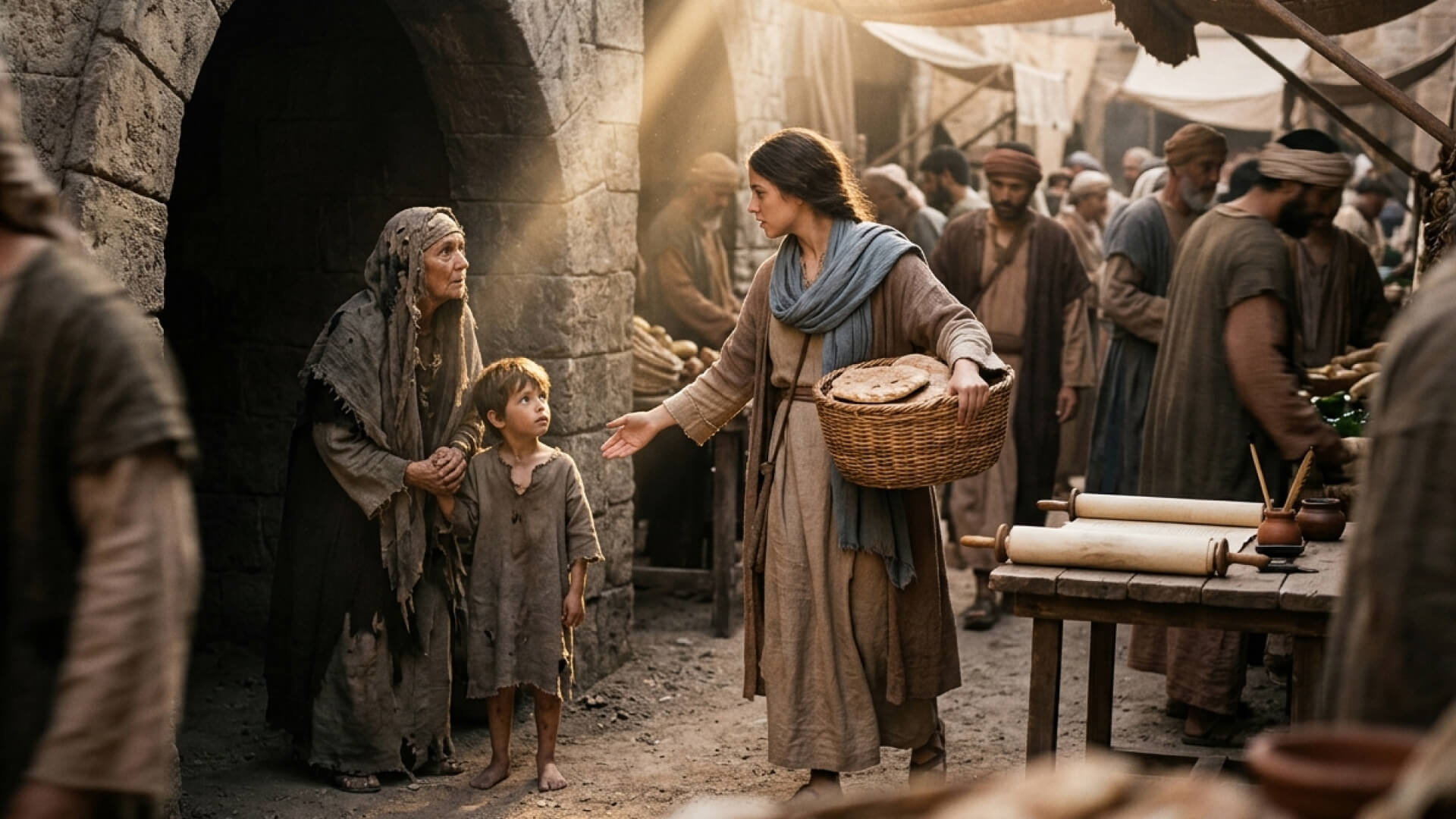
Kingdom people are taught to see the world through the King’s heart — a vision shaped by justice and mercy rather than indifference or self-interest. Isaiah 1:17 (ESV) summons us: learn to do good; seek justice; correct oppression; bring justice to the fatherless; plead the widow’s cause. This is not merely social activism; it is a spiritual posture that flows from knowing a God who acts on behalf of the vulnerable.Worldly wisdom often separates compassion from accountability: show sympathy but leave structures unchanged, or demand justice but forget mercy. The gospel refuses that divorce. Jesus embodied both — proclaiming liberty to the oppressed (Luke 4:18) while touching the outcast and forgiving sinners. We are called to the same tension: to see wrong clearly and to move toward restoration, not merely condemnation.
Ask the Spirit to open your eyes today to people and systems you have missed. Humility is the starting point: admit what you do not see, confess what you have ignored, and be willing to learn from Scripture and neighbors. Practical kingdom living means listening, learning, and then acting — sometimes quietly with mercy, sometimes boldly in public witness — always dependent on God’s wisdom and strength.
Biblical Points
– Point Title: God’s Call to Active Compassion
Scripture: “Learn to do good; seek justice, correct the oppressor; defend the fatherless, plead for the widow.” — Isaiah 1:17 (ESV)
Reflection: This verse names concrete actions for those who follow the King: doing good and seeking justice are inseparable. Practically, it means looking beyond charity to systems and policies that harm people and asking how you can participate in both relief and reform.– Point Title: Justice, Kindness, and Humble Walk
Scripture: “He has told you, O man, what is good; and what does the LORD require of you but to do justice, and to love kindness, and to walk humbly with your God?” — Micah 6:8 (ESV)
Reflection: Micah ties justice to mercy and humility; true faith expresses itself in right action, tender love, and dependence on God. In daily life, let this shape priorities: advocate for the oppressed, show mercy to individuals, and remain humble about motives and outcomes.– Point Title: Speak for Those Without a Voice
Scripture: “Open your mouth for the mute, for the rights of all who are destitute. Open your mouth, judge righteously, defend the rights of the poor and needy.” — Proverbs 31:8–9 (ESV)
Reflection: Scripture commands vocal advocacy: defending those who cannot defend themselves is part of wisdom. You can apply this by learning local needs, supporting legal and community advocates, or simply amplifying marginalized voices.– Point Title: The King’s Mission Includes the Oppressed
Scripture: “The Spirit of the Lord is upon me, because he has anointed me to proclaim good news to the poor. He has sent me to proclaim liberty to the captives and recovering of sight to the blind, to set at liberty those who are oppressed,” — Luke 4:18 (ESV)
Reflection: Jesus’ mission defines kingdom priorities: evangelism and social liberation go hand in hand. When we serve the oppressed, we participate in Christ’s work of restoration — spiritual, relational, and social.– Point Title: Faith That Shows Mercy
Scripture: “Religion that is pure and undefiled before God the Father is this: to visit orphans and widows in their affliction, and to keep oneself unstained from the world.” — James 1:27 (ESV)
Reflection: True religion is practical and incarnational, expressed in compassion for the marginalized. Let your faith be measured not only by belief but by concrete care — showing up, listening, and helping meet real needs.Discussion Questions
– Why does God’s view of the oppressed matter for how you spend your time, money, and influence this week?
– What specific blind spots might you have about local injustices, and what steps will you take to learn and listen?
– How will you balance truth and mercy this week in a situation that involves someone who’s been harmed or who has harmed others?Memory Verse
“He has told you, O man, what is good; and what does the LORD require of you but to do justice, and to love kindness, and to walk humbly with your God?” — Micah 6:8 (ESV)Closing Encouragement
You are not called to fix every injustice alone, but you are called to a posture of seeing, praying, and acting where you can. Greatness in God’s kingdom comes through humble service, sacrificial love, and dependence on the Spirit to guide and strengthen. Move forward today with courage to speak, patience to listen, and compassion that restores — trusting that small, faithful steps matter for eternity.
Sorry, there were no replies found.
Log in to reply.