
November 04: Mercy That Meets People Where They Are

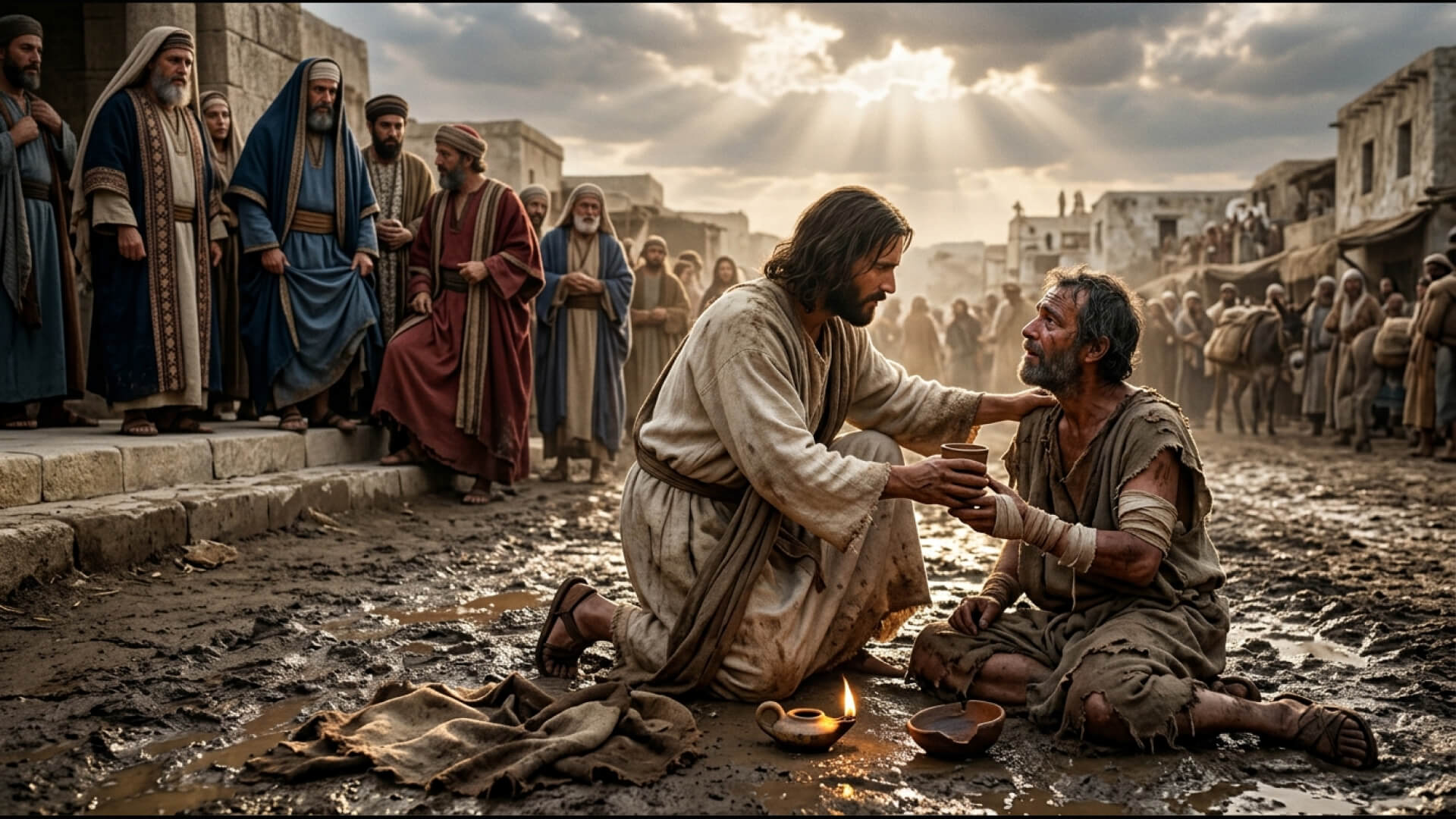
Mercy is a kingdom currency that flows toward the broken before it flows toward the deserving. Jesus models a countercultural compassion: he does not wait for people to clean themselves up before he meets them. Instead, he enters their mess—eating with tax collectors, speaking with the Samaritan woman, touching the untouchable—to bring restoration that begins with being seen and forgiven. This is not sentimental tolerance; it is redemptive engagement that confronts sin while offering a path back to life.Worldly thinking tends to divide people into categories of worthiness, rewarding good behavior and excluding those who fail. The gospel overturns that scale. Matthew 9:13 (ESV) — “But go and learn what this means: ‘I desire mercy, and not sacrifice.’ For I came not to call the righteous, but sinners.” — pulls mercy ahead of ritual and reminds us that God’s priority is reconciliation. Mercy meets people where they are and points them to transformation through grace, not through shame.
Practically, kingdom mercy means small, consistent acts: listening without judgment, offering tangible help, speaking truth in love, and inviting others into community. Such mercy requires humility—recognizing our own need for grace—dependence on the Spirit for discernment, and courage to risk being misunderstood. As you look for one small way to show compassion today, remember: mercy restores, and in restoring others we reflect the heart of our King.
Biblical Points:
– Point Title: Mercy before ritual
Scripture: “But go and learn what this means: ‘I desire mercy, and not sacrifice.’ For I came not to call the righteous, but sinners.” — Matthew 9:13 (ESV)
Reflection: Jesus prioritizes active mercy over religious performance. This verse challenges us to evaluate whether our religious actions flow out of compassion or merely duty, urging practical kindness that welcomes the lost.– Point Title: God’s call for justice and mercy
Scripture: “He has told you, O man, what is good; and what does the Lord require of you but to do justice, and to love kindness, and to walk humbly with your God?” — Micah 6:8 (ESV)
Reflection: True mercy is paired with justice and humility. Kingdom mercy both meets needs and seeks right treatment for the oppressed, shaping a posture of service rather than self-righteousness.– Point Title: Forgiveness produces love
Scripture: “Therefore I tell you, her sins, which are many, are forgiven—for she loved much. But he who is forgiven little, loves little.” — Luke 7:47 (ESV)
Reflection: When people experience forgiveness, love naturally follows. Our willingness to extend mercy can awaken repentance and devotion, revealing grace’s transformative power in relationships.– Point Title: Mercy judges without condemning
Scripture: “Jesus said, ‘Neither do I condemn you; go, and from now on sin no more.'” — John 8:11 (ESV)
Reflection: Jesus’ mercy does not ignore sin; it removes condemnation and calls for change. We are to emulate this balance—show compassion while inviting responsible transformation.– Point Title: Approach God confident in mercy
Scripture: “Let us then with confidence draw near to the throne of grace, that we may receive mercy and find grace to help in time of need.” — Hebrews 4:16 (ESV)
Reflection: Our ability to offer mercy comes from receiving it. Regularly seeking God’s grace fuels our compassion and equips us to help others in practical, timely ways.Discussion Questions:
– Why does extending mercy often feel riskier than withholding judgment, and what does that reveal about your heart?
– What is one specific situation in your neighborhood, workplace, or church where you can practice mercy this week?
– How will you rely on prayer and the Spirit to balance truth and compassion when engaging someone who is broken?Memory Verse:
“But go and learn what this means: ‘I desire mercy, and not sacrifice.’ For I came not to call the righteous, but sinners.” — Matthew 9:13 (ESV)Closing Encouragement:
Take heart: mercy is the way of our King, and every small act of compassion participates in the larger work of restoration. You do not need to have all the answers—bring a humble heart, willing hands, and the courage to enter another’s mess with grace. Greatness in God’s kingdom is measured not by power but by servanthood; as you serve, you reflect Christ and point others toward life.


Log in to reply.