
The Instrument That Changed Me: Max’s story of Becoming
Chapter 1 : The Sentence That Stayed Behind
The evening air was cold in a way that felt intentional—as though the weather itself wanted to teach something. Streetlights flickered on one by one outside the café, stretching shadows across the pavement. Inside, the warmth of roasted coffee and cinnamon softened the edges of the world.
Max sat across from Elder Nathan, a man whose face carried the weight of years without bitterness. His eyes were calm, alert—like someone who had learned the cost of both silence and speech.
Max was talking with conviction, the kind that comes from sincerity rather than polish.
“I really believe,” he said, leaning forward, “that we can do anything. God is limitless. So why wouldn’t we be? If someone can rise from nothing, then I can too. If he can do it, I can.”
Elder Nathan didn’t interrupt. He didn’t argue. He simply paused—long enough for the silence to become part of the conversation.
Then he asked, almost casually:
“When you say anything, Max… what exactly do you mean?”
Max blinked. “Anything,” he repeated. “With effort. With faith.”
Elder Nathan nodded slowly, as though weighing the word in his hands.
“Hmm.”
Then he said the sentence that stayed behind long after the conversation moved on:
“Sometimes, the most dangerous lies are the ones that sound like encouragement.”
Max felt something shift—not offense, not resistance, but something quieter. Like a floorboard giving way beneath a belief he hadn’t realised was load-bearing.
Elder Nathan continued gently, “Faith is not fantasy, my son. And encouragement is not always truth. Tell me…”
He leaned forward slightly.
“Have you ever tried to become someone else?”
Max looked away. The question didn’t sound spiritual. It sounded personal.
And the answer rose uninvited.
Chapter 2 : The House of Comparisons
That night, Max found himself remembering moments he hadn’t planned to revisit.
A childhood living room. A report card on the table. His mother’s voice, tired but firm.
“Your brother did better. He’s focused. Why can’t you be like him?”
A school corridor. Teachers praising one student, then glancing at Max with quiet disappointment.
“See? It’s possible. If he can do it, so can you.”
A church setting. Applause for someone’s gift. Then the sideways look.
“You need to be more like that. More bold. More visible.”
None of it sounded cruel. It sounded motivational. Reasonable. Loving, even.
But slowly, Max began to see what comparison had done to him.
It had taught him to measure his worth using someone else’s ruler.Difference had been framed as deficiency.
And envy—he realised now—could wear a very spiritual face.
Comparison hadn’t just robbed him of joy.
It had subtly accused God of careless design.As though God had made him… incorrectly.
Chapter 3 : The Football Field
The next afternoon, Max went for a jog at the community park. The place pulsed with movement—runners, children, voices overlapping in life.
On a dusty field nearby, a group played football.
One player moved differently. Light. Precise. Effortless. He slipped past defenders as though the ball obeyed him.
Cheers broke out.
Max smiled—then felt the familiar tightening in his chest.
A thought surfaced, sharp and automatic:
You should be able to do that too.He stopped running and watched. He had seen the highlights. The legends. The greatness the world paraded as proof.
The message echoed in his mind: If you try hard enough, you can be anyone.
But Elder Nathan’s question returned uninvited.
“When you say anything… what do you mean?”
Max swallowed.
No amount of discipline would make his body move like that.
Not because he was a failure.
But because he was not built for that.
The realisation landed gently but firmly:
Trying to do what you weren’t designed to do doesn’t make you ambitious.
It makes you misaligned.And misalignment always produces exhaustion.
Chapter 4 : The Music Room
A week later, Elder Nathan invited Max to a small music school run by a friend.
Max didn’t understand why—until he heard it.
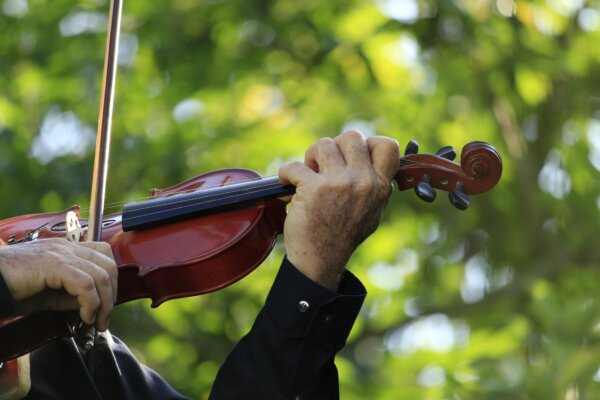
A violin crying.
Not beautifully. Not skillfully.
The sound was strained, as though something was being forced into a shape it resisted.In the corner sat a teenage boy, jaw tight, fingers fighting the strings.
“Again,” the boy muttered.
He played.
The sound fractured.
Frustration rose in his eyes.
“Why can’t I do it?” he snapped.
The teacher didn’t answer. He walked over and placed a drum on the floor.
The boy frowned. “What’s that for?”
“Try,” the teacher said simply.
The boy hesitated—then tapped the drum.
Something changed.
It wasn’t dramatic. It was natural.
The rhythm emerged as though it had been waiting.
The teacher’s eyes softened. “Again.”
This time the boy smiled without realising it.
“The problem,” the teacher said gently, “was never effort.”
The boy looked up.
“The problem was instrument.”
Max felt the words settle into his chest.
Many people aren’t lazy.
They’re just playing the wrong instrument.Chapter 5 : The Kingdom’s Quiet Logic
Later, Max and Elder Nathan sat outside, the evening sun resting low.
“God never made clones,” Elder Nathan said quietly.
Max nodded.
“In the parable of the talents,” the elder continued, “the master distributed according to ability. Not equally. Intentionally.”
The words felt new.
“Difference is not deficiency,” Elder Nathan said. “And equality of worth does not mean sameness of function.”
Max exhaled slowly.
“Even faith,” the elder added, “has a measure. Grace has a measure. Assignment has a measure.”
Faith wasn’t permission to become anyone Max admired.
Faith was fuel to become who he was designed to be.Chapter 6: The Fire of Alignment
That night, Max opened his Bible—not to prove anything, but to listen.
The words felt alive:
Different gifts.
Same Spirit.Different measures.
Same grace.It was as though God was whispering:
I did not forget you when I designed you.
For the first time in a long while, Max didn’t feel behind.
He felt placed.
Comparison had made him restless.
Design made him still.He realised he had been chasing another person’s fruit, while his own tree waited to be watered.
God had never measured greatness the way the world did.
God measured faithfulness.
Chapter 7: The Better Question
A month later, Max returned to the café.
This time, he didn’t bring slogans.
“I think I get it now,” he said.
Elder Nathan smiled. “Tell me.”
“I can’t do everything,” Max said calmly. “And I can’t do what others do—not the way they do it.”
The elder nodded.
“But I can become what God designed me to be. I can steward it. Grow it.”
The elder’s smile deepened.
“So what’s the question now?” he asked.
Max answered without hesitation:
“What has God uniquely entrusted to me?”
And in that moment, Max felt something like freedom—not fantasy, but alignment.
A drum finally struck by the right hands.
A soul no longer measured by borrowed standards.Elder Nathan tapped the table gently.
“Now,” he said, “be faithful with your instrument.”
Max nodded.
And for the first time, he wasn’t trying to become someone else.
He was finally becoming himself—before God.

Sorry, there were no replies found.
Log in to reply.